ARTICLES + POSTS 🧑🎓
The CLEAR Blog.
Welcome to the official blog of CLEAR Acne Treatment Centers. There are 100+ posts about acne, so make yourself comfortable and take a look around!


Oral Antibiotics for Acne: Are They Worth It—and What Comes Next?
If you’ve been battling acne for a while, there’s a good chance someone—whether a dermatologist or a friend—has recommended oral antibiotics. Maybe you’ve already tried a round or two, or maybe you’re wondering whether they’re right for you. Either way, understanding how oral antibiotics work for acne can help you decide if they’re a good fit—or if it’s time to consider something longer lasting.

Adapalene vs. Acne: Why This Drugstore Retinoid Still Packs a Punch
If you’ve struggled with acne, chances are you’ve heard of retinoids. These vitamin A derivatives are powerhouse ingredients known for clearing pores, speeding up cell turnover, and preventing breakouts. But among them, one stands out for its accessibility and effectiveness: adapalene.

Tretinoin 101: How This Retinoid Works to Clear Acne
If you’ve ever felt like nothing works for your acne—no cleanser, no spot treatment, no trendy TikTok hack—you’re not alone. But there’s one ingredient that dermatologists have trusted for decades, and it’s not just hype: tretinoin. This prescription-strength retinoid has stood the test of time for a reason. It helps unclog pores, speed up cell turnover, fade acne marks, and even prevent future breakouts.

Still Using Topical Antibiotics for Acne? Here’s What You Should Know
Acne can feel relentless—just when one breakout starts to clear, another one pops up. If you’ve been prescribed a topical antibiotic or are wondering whether it could help, you’re in the right place. We specialize in helping clients find lasting relief from persistent acne using cutting-edge treatments like AviClear®, but we also believe in educating our clients about all the tools that may play a role in your skin journey—including topical antibiotics.

Basic Skin Care: The Foundation for Clear, Healthy Skin
When it comes to tackling acne, we often focus on high-tech treatments, prescription products, and the latest trending ingredient. But sometimes, the most powerful results come from getting the basics right. Basic skin care isn’t just for beginners—it’s the essential foundation that supports every other step you take toward clearer skin.

Think It’s Acne? It Might Be Fungal Folliculitis
If you’ve been battling stubborn breakouts that don’t respond to traditional acne treatments, you might not be dealing with acne at all—at least not the kind you think. “Fungal acne,” more accurately known as Malassezia folliculitis or Pityrosporum folliculitis, is a skin condition that’s often mistaken for regular acne. But the cause is entirely different—and that means the treatment needs to be different, too.
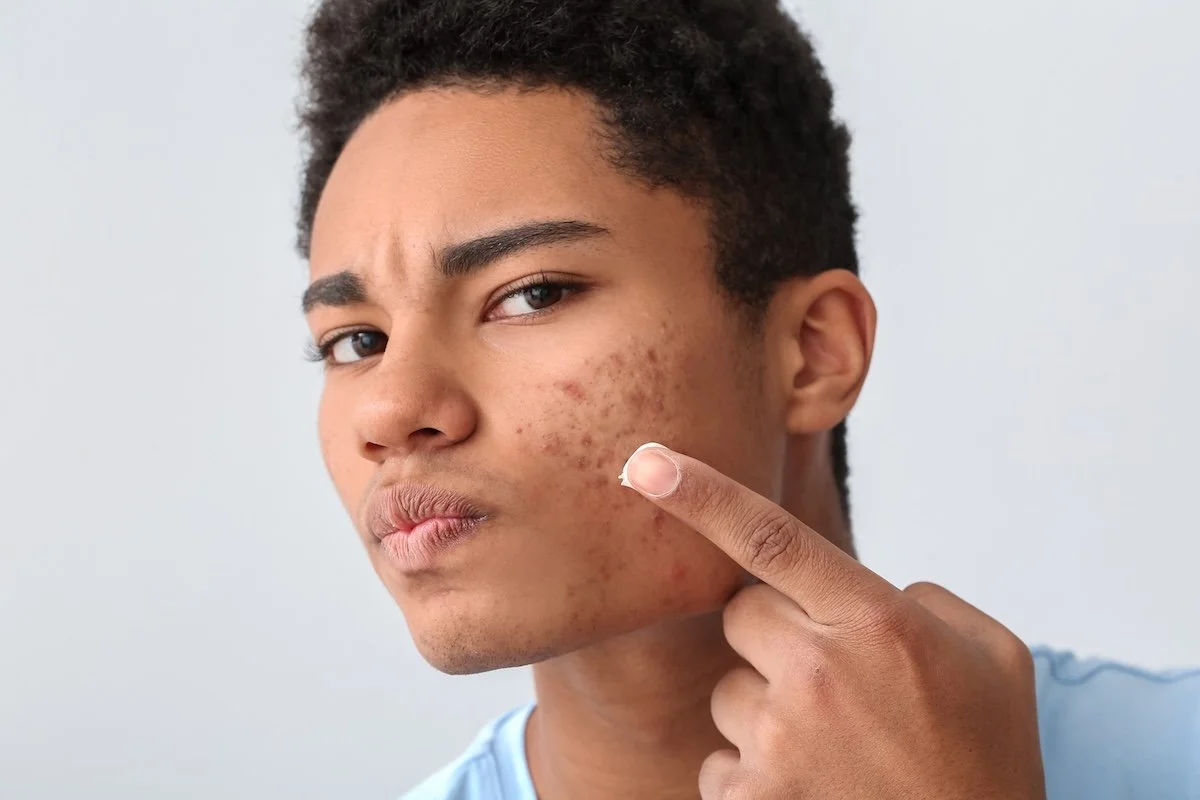
Does Benzoyl Peroxide Really Work for Acne?
If you’ve ever stood in the skincare aisle scanning rows of acne products, chances are you’ve seen the name benzoyl peroxide more than once. It’s one of the most commonly used ingredients in over-the-counter and prescription acne treatments—and for good reason. Benzoyl peroxide is a tried-and-true option that dermatologists have trusted for decades to help treat breakouts.
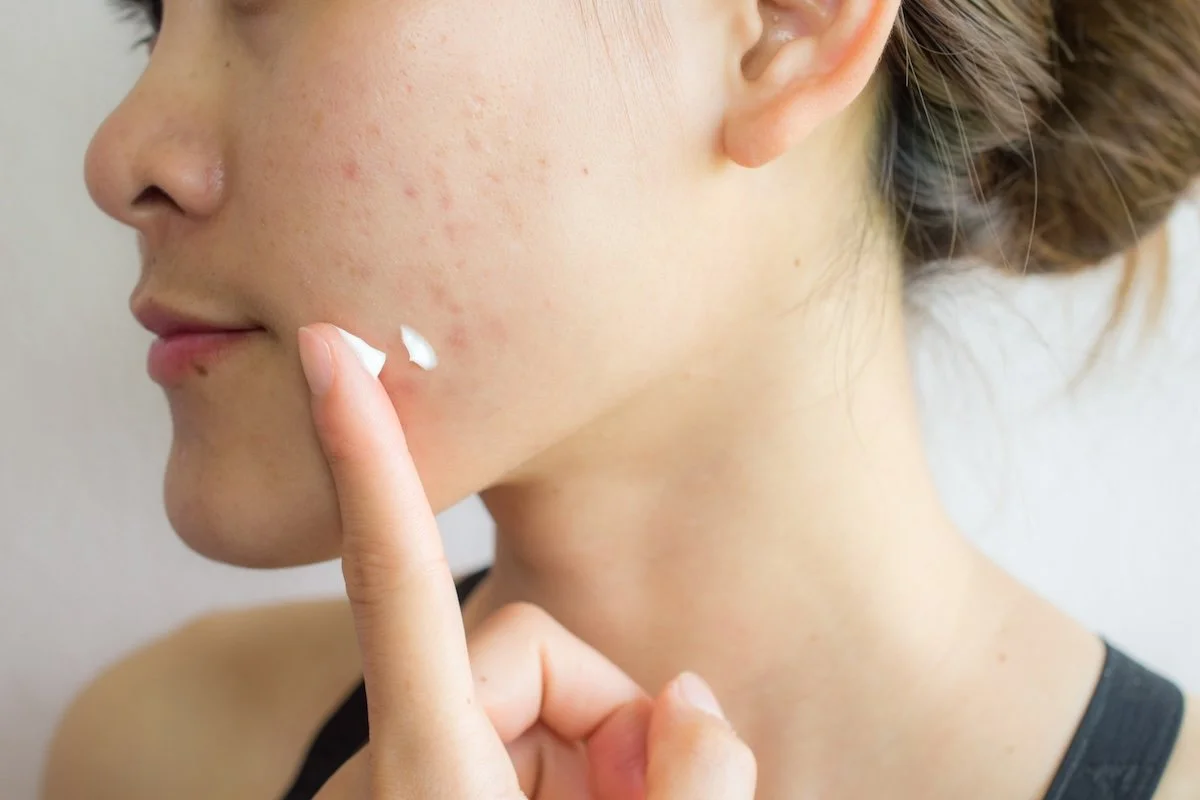
What Makes Mandelic Acid So Good for Acne-Prone Skin?
If you’ve been battling acne and your skin tends to react to everything you try, you might be looking for a treatment that’s both effective and gentle. Mandelic acid could be your skincare sweet spot. Unlike some harsher ingredients that work fast but come with irritation, mandelic acid takes a more balanced approach—exfoliating dead skin, unclogging pores, and fighting acne-causing bacteria, all while being kind to sensitive skin.
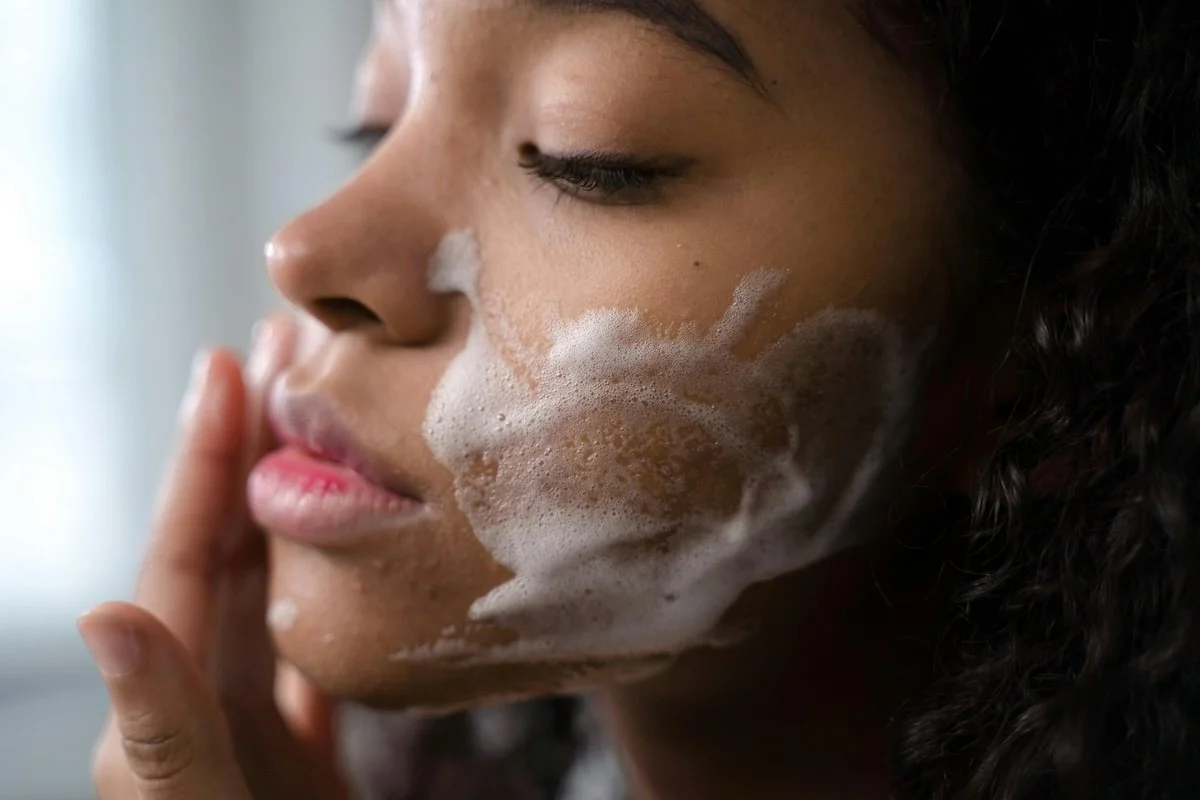
How Poor Hygiene Can Worsen Acne—and Why Overcleaning Does Too
If you’ve ever struggled with acne, chances are someone has told you to “just wash your face more.” The idea that acne comes from being dirty is everywhere—passed down from parents, echoed in drugstore commercials, and whispered in locker rooms. But here’s the truth: hygiene does play a role in acne, just not in the way most people think.
Dealing With Clogged Pores? Salicylic Acid Might Be Your Skin’s Best Friend
If you’ve ever scanned the ingredient list on an acne cleanser, toner, or spot treatment, chances are you’ve seen salicylic acid. This familiar name has earned its place in nearly every acne aisle—and for good reason. Salicylic acid is one of the most effective over-the-counter ingredients for treating acne, especially when blackheads, whiteheads, or clogged pores are the main issue.
Is Azelaic Acid the Gentle Acne Fighter You’ve Been Missing?
If you’ve tried everything for your acne—benzoyl peroxide, salicylic acid, retinoids—and your skin is still red, bumpy, or inflamed, there’s one ingredient you might not have given a fair shot: azelaic acid. Often overshadowed by flashier skincare ingredients, azelaic acid is something of a quiet powerhouse. It’s gentle, doesn’t cause photosensitivity, and is suitable for almost every skin tone and type.
Are Topical Treatments Enough to Clear Acne?
If you’ve ever walked down the skincare aisle feeling completely overwhelmed, you’re not alone. With endless serums, spot treatments, and creams all claiming to clear acne fast, it’s easy to feel confused about what your skin actually needs. The truth is, not all acne products are created equal—and when you understand the science behind them, you can finally stop guessing and start seeing real results.

How Stress, Sleep, and Habits Play a Role in Acne
Most people struggling with acne have tried it all—cleansers, creams, spot treatments, and maybe even prescription medications. But what many don’t realize is that their everyday habits might be quietly working against them. At CLEAR Acne Treatment Centers, we often meet clients who are doing “everything right” with their skincare, yet still breaking out. That’s because acne isn’t only about what you put on your skin—it’s also shaped by how you live.

From Antibiotics to Accutane®: What to Know About Oral Acne Medications
When acne becomes persistent, painful, or resistant to topical treatments, oral medications are sometimes considered. These treatments work internally and can help manage the deeper causes of acne—things like inflammation, bacteria, hormone fluctuations, or excessive oil production. While oral medications aren’t necessary for everyone, they play an important role in dermatology.

Skim Milk: Innocent or Acne Trigger?
If you’ve ever scrolled through an acne forum or chatted with friends about breakouts, chances are you’ve heard someone blame their skin issues on dairy—especially skim milk. But is there any truth to it? Can your morning splash of milk really be contributing to acne?
The Science Behind 1726nm: How AviClear®’s Wavelength Targets Acne at the Source
If you’ve been exploring long-term, medication-free solutions for acne, you may have come across AviClear®—the first ever FDA-cleared laser that specifically targets acne at the root. But what makes it so different from everything else on the market? The answer lies in the laser’s unique wavelength: 1726 nanometers.
Curious About AviClear®? Here’s What to Expect From Start to Finish
If you’re dealing with acne that just won’t quit—whether it’s hormonal breakouts, cystic flare-ups, or stubborn blackheads—you’re not alone. At CLEAR Acne Treatment Centers, we know how exhausting it can be to try treatment after treatment, hoping something will finally work. That’s why we specialize in AviClear®, the first FDA-cleared laser for acne that directly targets the source of oil production in your skin.

The AviClear® Journey: What to Expect From Start to Clear Skin
If you’ve dealt with acne for years, chances are you’ve tried just about everything—topicals, antibiotics, Accutane®, and a shelf full of skincare. That’s what makes AviClear® such an exciting breakthrough. It’s the first and only FDA-cleared laser that treats acne at its source by targeting your oil glands—without medication, harsh side effects, or constant maintenance.