The Best Dairy Milk Alternatives for Acne-Prone Skin (and Which Ones to Skip)
If you’re acne-prone, there’s a good chance you’ve already questioned your skincare routine, your hormones, your stress levels… and eventually, your diet. One of the first things many people notice when they’re trying to clear their skin is that dairy — especially milk — seems to make things worse. Maybe your jawline flares. Maybe your breakouts feel deeper or more inflamed. Or maybe your skin just never fully settles down.
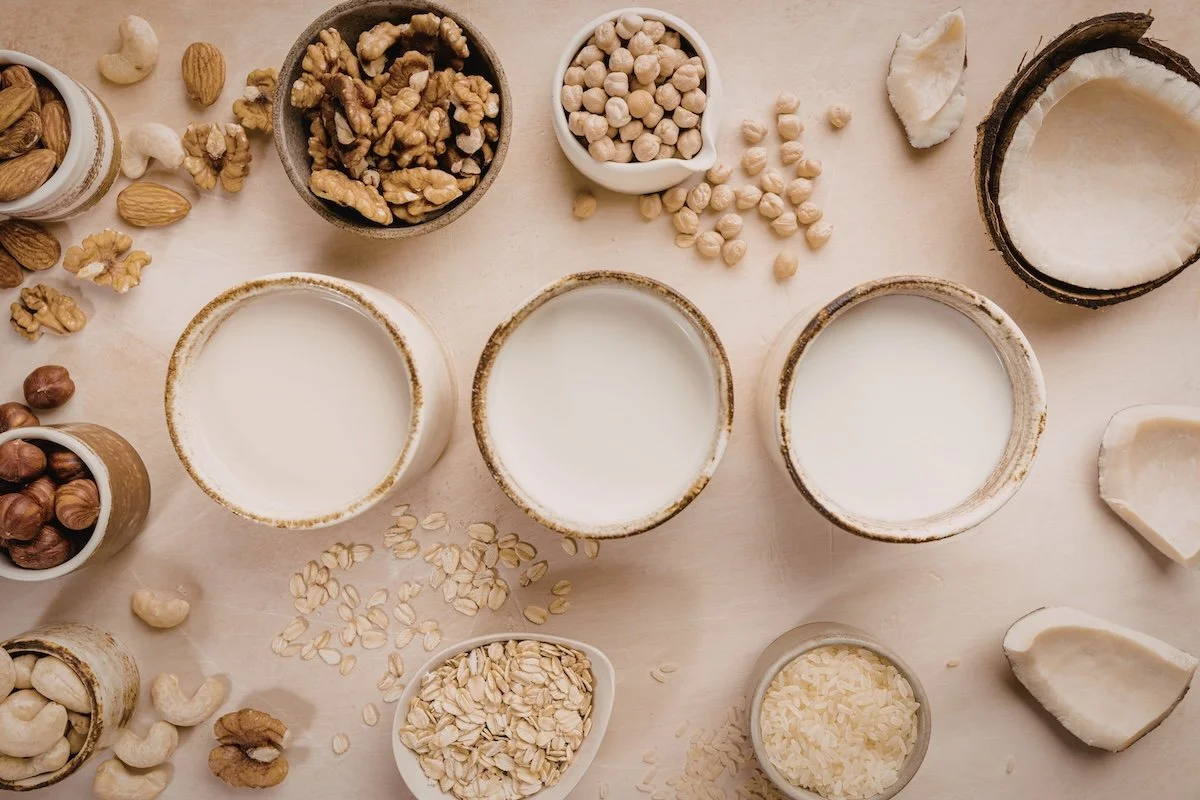
The good news? You don’t have to give up your morning latte or your favorite smoothie to protect your skin. Today, there are more dairy-free milk options than ever — but not all of them are equally friendly for acne-prone skin. Some plant-based milks can actually support calmer, clearer skin, while others quietly sneak in added sugars, oils, and additives that can contribute to inflammation.
In this article, we’ll walk through the best dairy milk alternatives for acne-prone skin, explain why they tend to work better, and help you choose the right option based on your skin, not just the label on the carton.
WHY DAIRY MILK CAN BE A PROBLEM FOR ACNE-PRONE SKIN
Dairy doesn’t cause acne for everyone — but for many people, it absolutely plays a role. Cow’s milk naturally contains hormones that can influence insulin and insulin-like growth factor 1 (IGF-1) in the body. When IGF-1 rises, oil glands can become more active, which increases the likelihood of clogged pores and inflammatory breakouts.
What’s interesting is that low-fat and skim milk are often more strongly associated with acne than whole milk. This may be because removing the fat changes how milk affects insulin signaling. So even people who think they’re making a “healthier” choice may notice their skin reacting.
Beyond hormones, dairy can also promote low-grade inflammation in certain individuals. If your acne tends to look red, swollen, or sore — especially around the jawline or lower face — dairy may be contributing more than you realize.
This is where plant-based alternatives come in.
WHAT MAKES A MILK ALTERNATIVE ACNE-FRIENDLY?
Before we talk about specific options, it helps to understand what we’re looking for in a milk substitute when acne is a concern.
In general, acne-prone skin does best with milks that are:
Free from dairy hormones
Low in added sugar
Not overly processed
Easy on blood sugar levels
Sugar matters here more than people realize. High sugar intake can spike insulin, which then influences oil production and inflammation — two things acne already loves.
So as we go through each option, keep one simple rule in mind: unsweetened is always the better choice.
ALMOND MILK: A RELIABLE, ACNE-FRIENDLY STAPLE
Almond milk is one of the most common swaps people make when they ditch dairy, and for acne-prone skin, it’s often a solid choice.
It’s naturally low in sugar, doesn’t contain dairy hormones, and tends to be easy to digest. Many almond milks also contain vitamin E, an antioxidant that supports skin health. While drinking almond milk won’t magically clear acne, it certainly doesn’t push your skin in the wrong direction.
Texture-wise, almond milk is thinner than cow’s milk, which some people notice in coffee or lattes. But for smoothies, cereal, and everyday use, it works beautifully.
If you’re choosing almond milk, go for an unsweetened version with a short ingredient list. The simpler, the better.
OAT MILK: CREAMY, COMFORTING, AND USUALLY WELL-TOLERATED
Oat milk has become a favorite for coffee lovers — and for good reason. It’s creamy, slightly sweet on its own, and feels satisfying without dairy.
From a skin perspective, oat milk can be a good option for many acne-prone individuals. Oats contain compounds that support the skin barrier and help calm inflammation. That’s one reason oats are commonly used in skincare products for sensitive or reactive skin.
The one thing to watch with oat milk is sugar. Some brands add quite a bit, even if they don’t taste overly sweet. Choosing an unsweetened version helps keep insulin spikes — and potential breakouts — to a minimum.
If your acne is sensitive to blood sugar fluctuations, oat milk may still be fine, but it’s worth paying attention to how your skin responds.
COCONUT MILK: LIGHT, REFRESHING, BUT NOT FOR EVERYONE
When we’re talking about coconut milk here, we mean the carton version, not the thick canned coconut milk used in cooking.
Coconut milk beverages are naturally dairy-free and usually low in sugar when unsweetened. Many people enjoy the flavor and find it gentle on digestion. For acne-prone skin, this can be a nice occasional option.
That said, coconut milk is low in protein and often contains added oils to improve texture. While this isn’t automatically a problem, it’s not the most nutritionally balanced option if you rely on milk alternatives as a major protein source.
If you love coconut milk, enjoy it — just keep it unsweetened and think of it as part of a balanced routine rather than your primary nutrition base.
SOY MILK: NUTRITIOUS, WITH SOME HORMONAL CONSIDERATIONS
Soy milk gets a lot of mixed opinions, especially in acne discussions. Nutritionally, it’s one of the closest plant-based alternatives to cow’s milk, offering a good amount of protein and a creamy texture.
For many people, soy milk is completely fine and does not worsen acne. However, soy contains phytoestrogens — plant compounds that can interact with hormone receptors. This doesn’t mean soy is “bad,” but if your acne is strongly hormone-driven, you may want to pay attention to how your skin reacts.
If you choose soy milk, organic and unsweetened versions tend to be the safest bet. Moderation is key.
PEA PROTEIN MILK: A HIDDEN GEM FOR ACNE-PRONE SKIN
Pea protein milk is one of the most underrated options for people with acne.
It’s naturally high in protein, low in sugar, and free from dairy, soy, and nuts. That makes it a great option for people with sensitivities or who want a milk alternative that behaves more like dairy without the hormonal baggage.
Many people find pea milk to be surprisingly creamy and neutral in flavor. If you’ve struggled to find a plant milk that feels “satisfying” without upsetting your skin, this is one worth trying.
HEMP AND FLAX MILK: INFLAMMATION-FRIENDLY OPTIONS
Hemp milk and flax milk don’t get as much attention, but they deserve a mention — especially for inflammatory acne.
Both are rich in omega-3 fatty acids, which help support skin barrier function and reduce inflammation. They’re typically low in sugar and free from common allergens.
The flavor is more earthy, which some people love and others need time to adjust to. These work especially well in smoothies or blended drinks.
WHAT TO BE CAREFUL WITH — EVEN IF IT’S PLANT-BASED
One of the biggest mistakes people make is assuming that anything labeled “plant-based” is automatically better for you. Unfortunately, that’s not always true.
Sweetened and flavored plant milks often contain added sugars that can quietly worsen breakouts over time. Vanilla, chocolate, and “barista blends” can be sneaky culprits.
Additives like gums, emulsifiers, and oils aren’t inherently harmful, but if your skin is sensitive or reactive, they can contribute to inflammation indirectly through gut irritation.
Reading labels matters — especially if you’ve already done the work of cutting out dairy.
HOW TO TELL IF A MILK ALTERNATIVE IS HELPING OR HURTING YOUR SKIN
If you’re experimenting with milk swaps for acne, give your skin at least a few weeks before judging the results. Acne doesn’t change overnight, but patterns do emerge.
Many people notice less jawline congestion, fewer inflamed breakouts, and overall calmer skin when dairy is removed and replaced with a lower-sugar alternative.
Keeping things simple helps. Try one milk at a time, choose unsweetened, and avoid changing multiple dietary variables at once.
THE BIGGER PICTURE: DIET HELPS, BUT IT’S NOT EVERYTHING
Switching to an acne-friendly milk alternative can absolutely support clearer skin — but for many people, it’s only one piece of the puzzle.
Persistent acne is often driven by oil production deep within the skin, not just surface-level factors. That’s why even the most disciplined diets don’t always lead to full clearance.
WHY AVICLEAR® MAY BE A GREAT OPTION FOR YOU
If you’ve already made thoughtful dietary changes and still struggle with acne, treatments that target oil production directly can be life-changing.
AviClear® is the first FDA-cleared laser designed specifically to treat acne by reducing oil production at the source — without medications or downtime. It works beneath the surface of the skin, where acne actually begins.
At CLEAR Acne Treatment Centers, we see the best results when lifestyle changes like diet are paired with targeted, evidence-based treatments. Everyone’s acne is different, and your treatment plan should be too.
🚀 Get your Treatment Estimate: https://www.clearacne.com/estimate
⏰ Book a Free Consultation: https://www.clearacne.com/schedule